Bishop Minerva Carcano of California Nevada, my home area of my now former denomination, is currently the respondent in a public church trial. Since leaving ministry just around a year ago my interest in church issues and politics has naturally waned significantly, but this one captured my attention for some reasons that have become clear over the past couple of days.
The charges against the bishop included some financial malfeasance and an overstepping her authority by illegally (by church law) taking decision making authority away from the trustees of her church area.
Both are important and serious, but it is the other two charges: one for discriminating against a pastor for daring to go on maternity leave and another for undermining the ministry of others made me take some interest in this case.
Allegations brought up in testimony in the trial include the bishop acting vengefully toward people either in her staff or under her episcopal leadership. Some of these people had come to the bishop with concerns over the appropriateness of one of her direct reports hiring the bishop’s daughter for an administrative position and that the bishop’s daughter was being provided with free housing at a church property in San Francisco and others were involved in an official inquiry over the matter.
These people, who had worked closely with the bishop, testified they were quickly blackballed by the bishop in day-to-day communication, some reported they had been informed the bishop was actively speaking to people from their previous jobs to find negative information about them, and most reported the they had been informed the bishop planned to use her power to appoint clergy wherever she wanted to gain some retribution against them.
One of the bishop’s direct reports reported he was heavily pressured to provide negative information about his colleagues under threat of being removed from his current job and having him and his family moved to a church completely out of their current home area, when it known his son, who has special needs, was about to enter his senior year of high school.
Testimony also alleged that the bishop changed the plans to fund a pastor’s fulltime salary to plant a church when she realized the pastor was pregnant with her first child and would be on maternity leave when the official appointment to that position was to begin.
It was all disturbing. Especially seeing much of the testimony coming from faces that I found familiar from growing up in that area of the United Methodist Church.
What I found most disturbing and what I realized piqued my interest about this trial is that none of what I heard in this testimony was shocking. These kinds of stories about treatment of clergy and church staff by superiors are unfortunately commonplace. These stories are not limited to tales of vengeance from a singular rogue bishop but stories like these extend to the behavior of many church officials at a variety of levels from bishops all the way down to local church pastors.
The peculiarity of this trial is usually similar stories I know of within the UMC seem end with a church system that urges silence getting what it wants. Public silence for the sake of the church and if not for the church for the sake of that person’s livelihood. Clergy and church staffers may share their experiences with people they hold close in life, but suffer silently through heartbreaking and sometimes career shattering ordeals brought upon them by someone who wields relatively unchecked power over their position.
I spoke to my dad on the phone about the trial and when I relayed some of the testimony about the bishop’s behavior he said, “If this is true she was in the wrong job,” to which I replied, “actually I think it would mean she was in the right job.” There have been rumblings about this bishop’s inappropriate treatment of clergy people dating back to before she came into California Nevada in 2016. Along the sides of a road she has walked that has included some wonderful ministry lies a wake of people who have been unnecessarily hurt by her as their leader. Despite this history, this is the first time she’s faced any potential consequences for that kind of behavior. I’ve heard other stories of other bishops acting completely out of line toward clergy who are supposed to be under their care as well, but none of them have faced any consequences to this day.
If the testimony and other stories that have not made it to testimony are indeed true Bishop Carcano was in the right job for her because very few jobs allow someone who wanted to treat people the way she has treated people with such impunity. For such behavior to be met with such silence. The United Methodist Church is filled with many wonderful people, leaders, and bishops who mean well, but are hampered by a system that in many cases compels these people to, sometimes unwittingly, to protect the powerful even as they do harm.
This trial interests me because it’s the first time I’ve seen silence broken so publicly and I’m both interested in and anxious about how the church responds to it. I do not mean by how 12 people on the jury feel about the convictable facts in this singular case. I’m more interested in the questions:
Does the church hear the pain that is bigger, more structural, and more hampering to the mission of the church than people want generally admit? Does hear the pain the church respond with structural changes and culture shifts that disrupt the power dynamics that are ever so convenient for those who wish to engage in abusive, degrading, inappropriate, illegal, and/or tyrannical behavior?
Or does the church bemoan this as unfortunate and complex one-off and scribble “no further action required” on its collective conscience?
One UMC pastor bemoaned publicly, “When all is said and done, it would be interesting to know what “just resolutions” (generally confidential settlement) were offered that might have spared the church the money and embarrassment of this trial.”
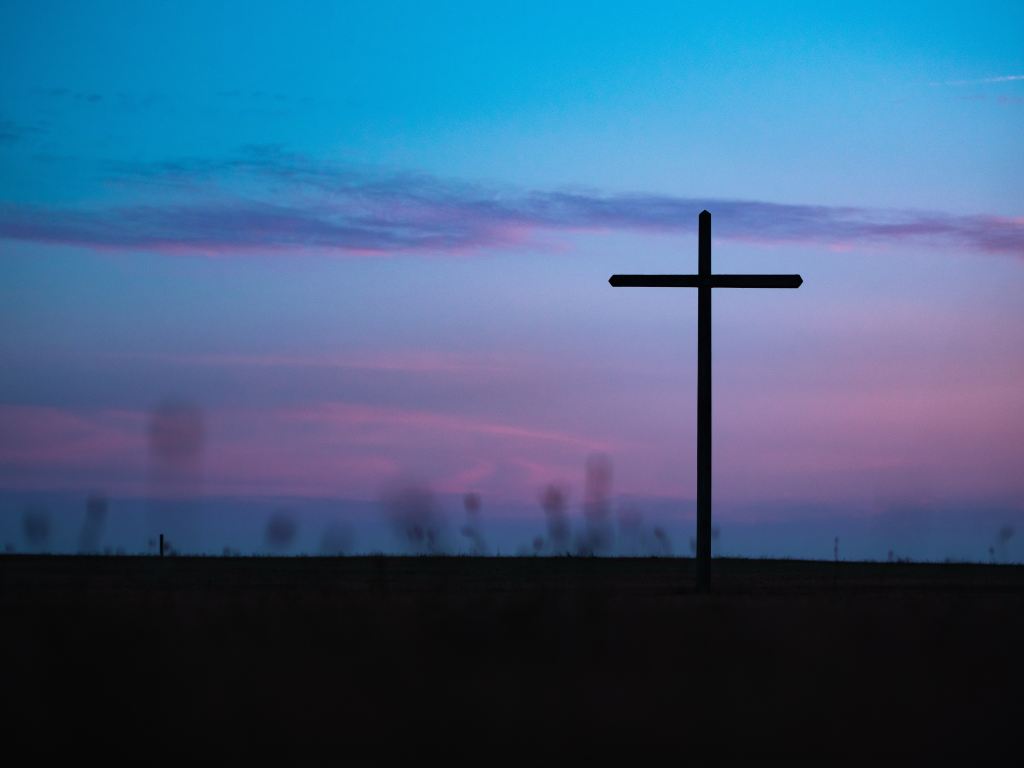
Isn’t the embarrassment that this was happening and not that it was revealed? Isn’t there harm in defaulting to bemoaning that victims’ claims come public? Jurgen Moltmann once wrote that their practice of crucifixion was too uncomfortable to speak about and was considered impolite to discuss in society. Christians are now supposed to be trained to look toward the cross a symbol that was once a sign of terror for an oppressed public that was turned into a symbol of life, love, atonement, healing, grace, and resurrection.
Maybe the church would be wise to look toward something now that causes embarrassment and discomfort so it may both act and find God’s grace in those places. I wonder what kinds of life, love, atonement, healing, grace, and resurrection the church could be found in the voices that it all too often seems to silence.
As one of the great influencers of my own faith once said, “God can always be found in the places where you don’t want to look.”



 When my wife and I got married in August we both changed our names from Scott Kimball and Susanna Marshall to Scott and Susanna Marshall-Kimball. I’d like to take the opportunity to explain how and why this decision was made. Before I get into this I want to make it clear that I do this with the intent of sharing and not with the intent of arguing that this is something every single couple should do.
 Scott's Thoughts